TSMC Approves $1 Billion in OpenAI and Anthropic to Bridge Foundry and Software
TSMC approves up to $1 billion in OpenAI and Anthropic alongside a $26 billion hardware syndicate, testing the limits of circular financing in AI.
The board of directors at Taiwan Semiconductor Manufacturing Company has approved strategic investments of up to $1 billion across artificial intelligence developers OpenAI and Anthropic. The decision pairs direct equity exposure with massive physical capital expansion across its manufacturing base.
According to the official resolutions published by the TSMC board on November 10, 2026, the company authorized up to $500 million to subscribe to Class N common shares of Anthropic PBC via concurrent private placement at its initial public offering price, alongside an authorization of up to $500 million to purchase preferred shares in OpenAI Group PBC. The approvals establish spending ceilings rather than completed cash transfers, leaving final execution dependent on corporate milestones. Beyond the model developers, the board approved an additional $500 million to create an investment company focused on the broader semiconductor ecosystem, while greenlighting roughly $40.9 billion in capital appropriations for advanced manufacturing facilities and packaging lines.
Physical foundries traditionally avoided taking balance-sheet positions in downstream software creators.
TSMC built its corporate dominance on strict neutrality as a contract manufacturer, turning silicon designs into physical wafers for fabless customers including Nvidia, Advanced Micro Devices, and Apple. Taking equity in OpenAI and Anthropic shifts that historic posture, extending the company's financial return directly into the foundation model layer that dictates global hardware procurement. While merchant foundries previously captured revenue purely on manufacturing margins per processed wafer, equity stakes allow the manufacturer to extract financial returns from the software layer itself.
From Neutral Foundry to Equity Anchor
The transition reflects the sheer capital concentration required to sustain frontier model training. Building next-generation foundation clusters demands advanced packaging and wafer capacity that only a handful of facilities on earth can physically yield.
By taking minority equity stakes in both leading American labs, TSMC secures direct balance-sheet exposure to the downstream expansion of the industry's largest compute consumers. The move follows similar capital deployments across the technology stack, where hardware vendors and platform providers acquire equity positions in developers whose operations drive demand for their core products. Yet TSMC occupies the bedrock of that hierarchy, manufacturing the underlying accelerators that power both private datacenters and hyperscale clouds.
Silicon manufacturing remains an intensely capital-intensive business requiring decades of specialized tool installation.
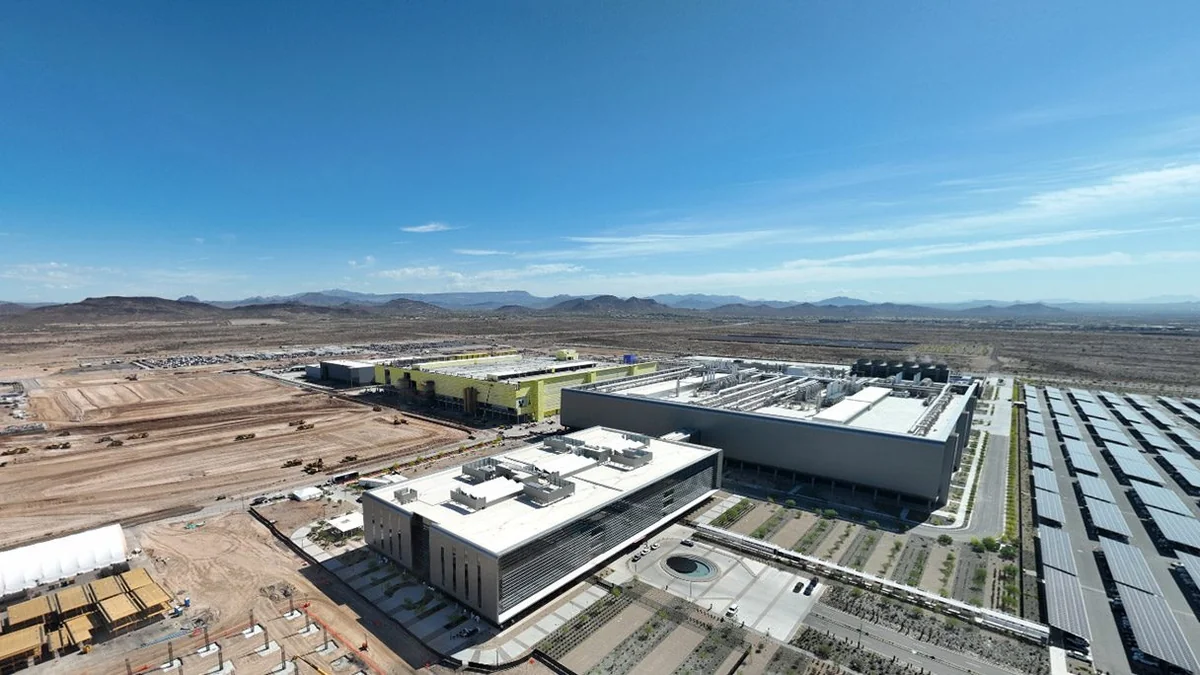
The board's concurrent authorization of roughly $40.9 billion in capital appropriations reflects that physical scale. Those appropriations fund expanded cleanroom capacity and advanced packaging lines like Chip-on-Wafer-on-Substrate, which remain the primary physical bottleneck restricting global accelerator shipments. Investing $1 billion in software developers amounts to a relatively small fraction of that overall industrial expenditure, functioning as strategic ecosystem capital rather than an operational pivot away from fabrication.
Anthropic's $26 Billion Private Placement and the Hardware Investment Consortium
The scale of this shift becomes clearer when viewed alongside the regulatory disclosures submitted by the model developers themselves.
In an amended Form S-1/A registration statement filed with the SEC on November 10, Anthropic revealed a concurrent $26 billion private placement of non-voting Class N common stock arranged alongside its upcoming public listing. The filing discloses a consortium of seven major technology and semiconductor enterprises agreeing to purchase shares at the identical public offering price. Google and Nvidia anchor the transaction with commitments of $10 billion each, while AMD committed $2.5 billion, and Broadcom, Micron Technology, and Microsoft committed $1 billion apiece.
TSMC Partners joined the syndicate with its $500 million allocation, marking the complete assembly of modern computing infrastructure around a single foundation lab.
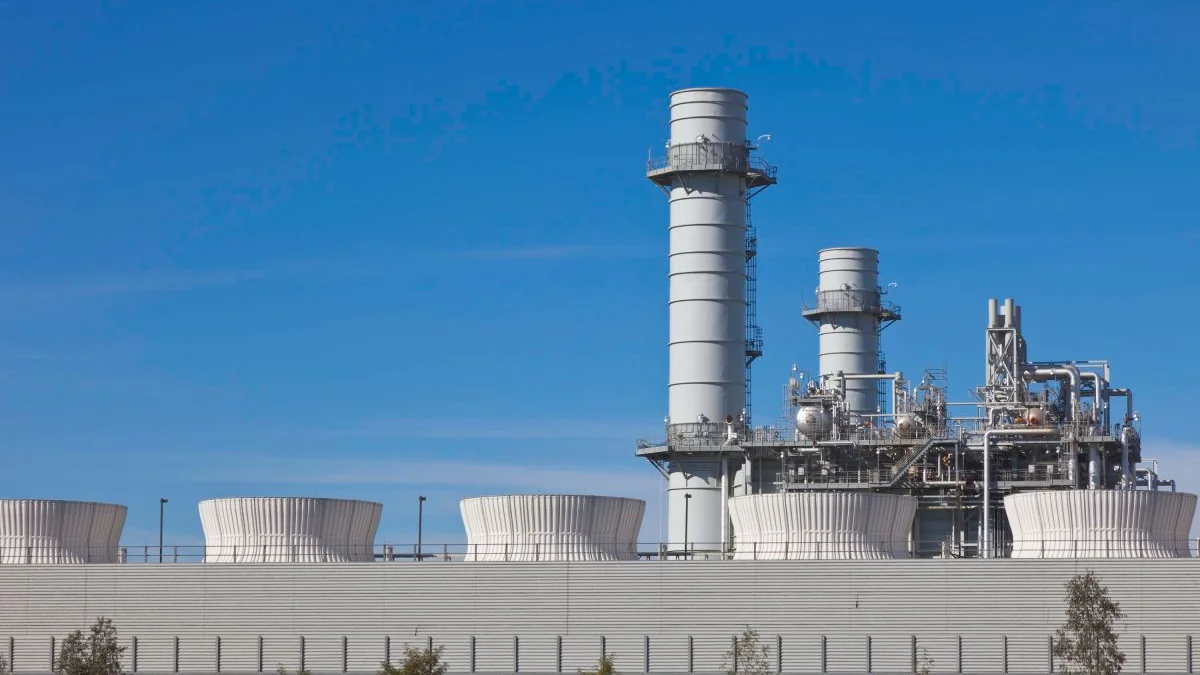
The private placement shares are priced at $74 per share based on the midpoint of Anthropic's estimated price range of $70 to $78, representing approximately 351.3 million Class N shares. The arrangement is strictly contingent upon the formal closing of Anthropic's public offering, meaning the commitments materialize only if public equity markets successfully price the debut. For Anthropic, pairing a public listing with $26 billion in anchor hardware commitments provides liquidity to underwrite multi-gigawatt datacenter builds, including massive dedicated infrastructure projects detailed in Anthropic's gas turbine energy commitments.
The Mechanics of Circular Financing Across the AI Supply Chain
The presence of hardware designers, memory makers, and foundries on the capitalization table of foundation labs highlights the growing debate over circular financing.
Market observers define circular financing as arrangements where equipment manufacturers and service providers financially back their own commercial customers. In theoretical models of this dynamic, capital flows in a structured loop where suppliers invest equity or extend credit to model developers, creating liquidity that may subsequently support purchases of cloud compute, silicon accelerators, and software licenses across that same supplier network. While market analysts debate whether this mechanism accelerates infrastructure deployment or obscures the distinction between organic end-user demand and partner-funded liquidity, regulatory filings do not demonstrate that invested capital compulsorily returns to those specific corporate balance sheets.
The current dynamic mirrors historical precedents in technology infrastructure expansion.
During the late 1990s telecommunications boom, leading equipment vendors extended vendor financing to competitive local exchange carriers, funding the purchase of optical gear and fiber networks through their own corporate balance sheets. When real commercial traffic lagged network buildouts, the resulting credit contraction cascaded through the hardware supply chain. While enterprise AI models generate substantial daily utility that distinguishes them from dormant fiber routes, cross-holdings between chipmakers and AI labs create similar balance sheet dependencies across the technology sector.
Hedging the Model Layer Without Preferential Wafer Pledges
TSMC avoided choosing a single winner by splitting its board-approved capital equally between the two foremost rival labs.
Allocating up to $500 million to Anthropic in restricted Class N shares through the concurrent private placement alongside $500 million to OpenAI in preferred stock insulates the foundry against platform concentration risk. If one developer gains decisive enterprise market share or establishes a commanding lead in agentic software interfaces, the manufacturer preserves economic upside regardless of which foundation architecture prevails. That hedging approach aligns with TSMC's traditional foundry philosophy of maintaining an open manufacturing ecosystem for competing fabless designers.
Crucially, the regulatory filings and public records contain no evidence that the investments grant preferential wafer allocation or discounted manufacturing pricing.
Rumors within financial forums suggested that equity commitments would guarantee OpenAI or Anthropic priority access to upcoming two-nanometer production lines or proprietary packaging quotas. Yet corporate disclosures indicate neither commercial concessions nor manufacturing covenants attached to the share authorizations. TSMC continues to allocate wafer starts based on binding purchase orders and long-term supply agreements executed with fabless designers such as Nvidia and Broadcom, rather than granting backdoor fabrication rights to downstream software firms.
Balance Sheet Interdependence and the Limits of Independent Demand
The emergence of closed-loop financing models raises broader questions regarding the long-term economics of artificial intelligence infrastructure.
When foundational labs rely on their hardware suppliers for multi-billion-dollar equity injections, corporate revenue metrics risk reflecting internal capital recycling alongside external customer consumption. Foundation models require continuous capital replenishment to fund frontier pre-training and inferencing runs, creating an ongoing demand for liquidity that public markets alone may hesitate to supply. As hyperscalers and chipmakers absorb larger equity stakes in their customer base, industry risk shifts from isolated startup failure to systemic supply chain exposure.
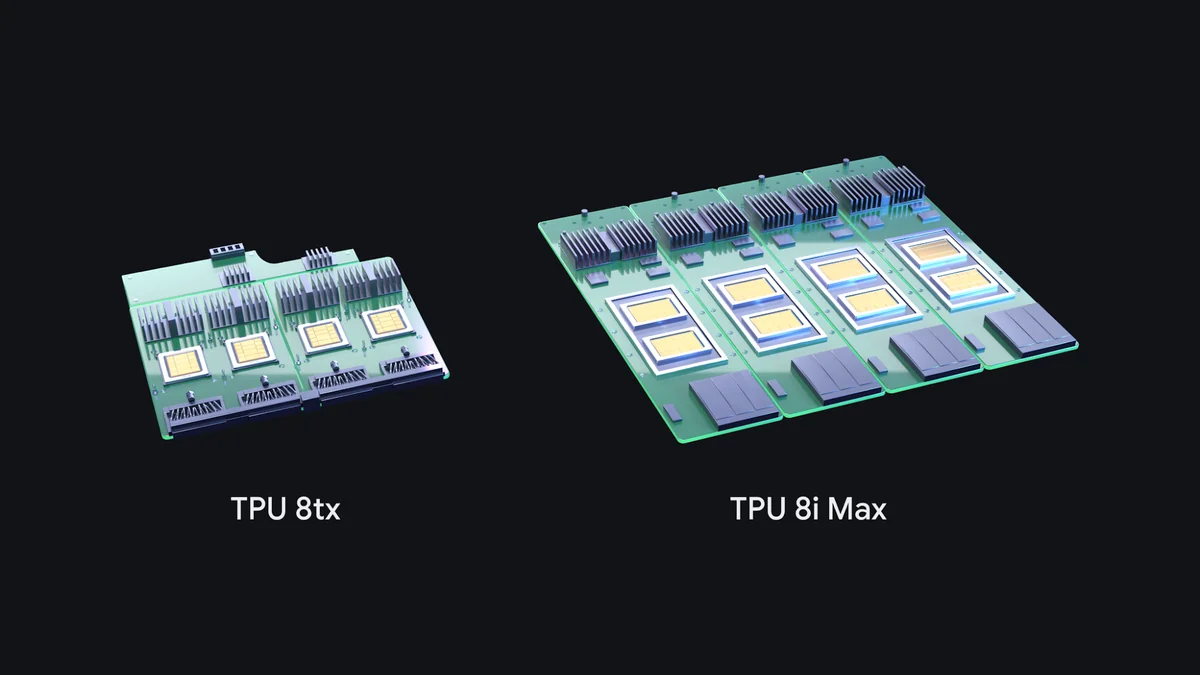
The ultimate sustainability of this hardware-software alliance will depend on whether enterprises generate sufficient productivity gains to fund infrastructure without perpetual balance-sheet subsidies. Both OpenAI and Anthropic face increasing pressure to prove that commercial software licensing can self-sustain cluster expansion, especially as competing cloud architectures challenge specialized hardware lock-in, as seen in Google's push with TPU infrastructure deployments. For TSMC, committing $1 billion to its primary downstream compute drivers establishes a strategic financial hedge, while its $40.9 billion capital expenditure budget ensures the physical fabrication of advanced silicon remains firmly anchored in industrial reality.

Written by Adriano Nascentes
Founder & Lead AI Systems Analyst · Verified Staff
Founder and editor-in-chief of Unknown Observer. Technology researcher and software engineer investigating foundation models, autonomous agent runtimes, cognitive architectures, and frontier AI safety.
Was this article helpful?
Your feedback helps our editorial team refine reporting depth and accuracy.