Replit: Masad Frames 'Self-Driving Companies' Around Agentic Loops and Human Taste
Replit CEO Amjad Masad envisions autonomous agents triaging repositories and dispatching code patches, yet the real operational bottleneck shifts from writing syntax to human architectural judgment.
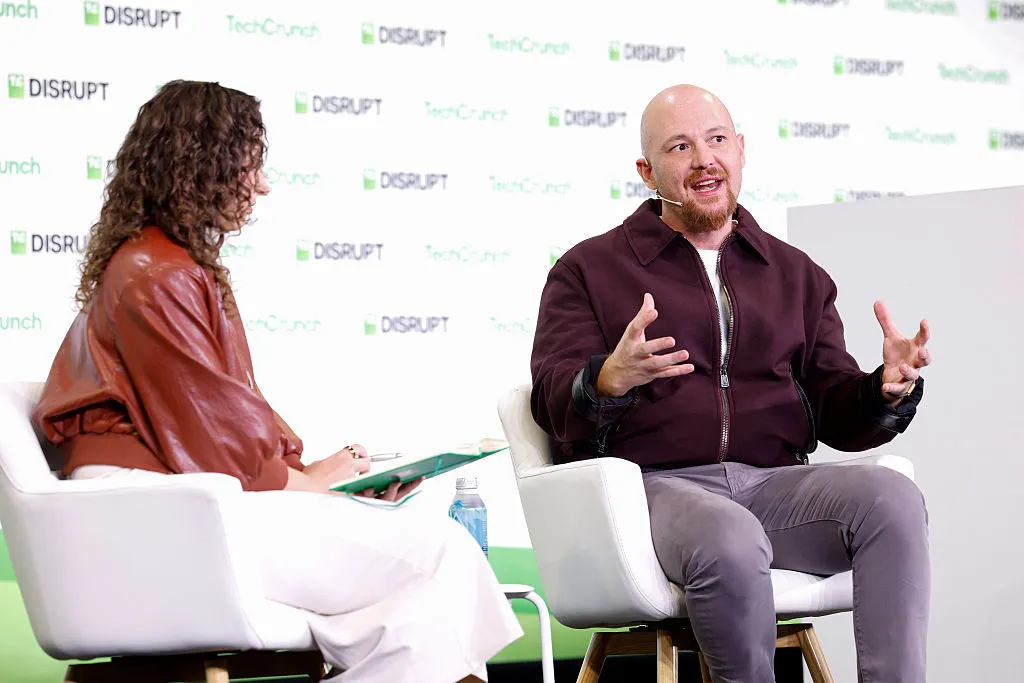
Replit has restructured its internal engineering workflows and technical support operations around autonomous artificial intelligence agents, signaling a deliberate transition toward what co-founder and chief executive Amjad Masad terms a self-driving company architecture for modern software organizations.
Speaking onstage at TechCrunch Disrupt 2026 in San Francisco, Masad explained that software agents now execute repetitive triage and debugging routines across internal codebases and project queues. The executive cautioned that corporate autonomy remains impossible without constant human oversight, noting that engineers must anchor the entire development loop through architectural governance, security review, and subjective technical discernment. Most enterprise organizations have not yet recognized how swiftly agentic workflows are altering day-to-day software maintenance as models transition from conversational assistants into background execution engines.
The Triaging Pipeline: Connecting Linear, GitHub, and Code Repositories
When incoming customer support tickets reach Replit, specialized agents immediately inspect the incident against open GitHub bug reports, internal code repositories, and Linear issue tracking records. This automated sweep aggregates debugging logs, commit histories, and related code changes before an engineer ever reads the complaint, eliminating the tedious manual context-gathering that traditionally bogs down developer operations across fragmented dashboards.
Once an engineer evaluates the compiled technical dossier, deploying a targeted software fix requires only a single click to trigger an auxiliary agent. The secondary agent drafts the required code patch, executes localized syntax checks, and prepares the candidate pull request for human verification. This architecture keeps human judgment firmly embedded in the middle of the remediation loop. Developers inspect the structural diff and verify functional integrity before the automated patch merges into live production systems.
The transition reflects a fundamental shift away from monolithic prompts toward specialized agent delegation, where discrete sub-agents handle specific operational domains such as database schema reconciliation or API endpoint alignment. By decomposing complex triage tasks into smaller, bounded steps, the system reduces the compounding hallucination rates that previously undermined early autonomous programming experiments.
Sandboxing and Deterministic Verification Behind Autonomous Patches
Deploying autonomous agents directly against production codebases introduces critical regression vulnerabilities unless runtime environments remain strictly isolated from live server infrastructure.
To insulate company systems from unintended code modifications, Replit executes agent workflows inside containerized Nix sandboxes equipped with instantaneous snapshot and state-rollback capabilities. The platform supplements large language model generation with deterministic browser verification powered by Playwright automation, testing user interface modifications against simulated user interactions before notifying engineering teams. Whenever a simulated workflow fails or an assertion breaks, the environment instantly discards the uncommitted workspace and rolls back to the clean snapshot state, preventing flawed code from corrupting the local build tree.
This infrastructure maturation directly reflects Replit's capital expansion, highlighted by a 400 million dollar Series D funding round in March 2026 that valued the company at 9 billion dollars. Lead investor Georgian backed the round alongside prominent venture partners as annualized recurring revenue surged from 2.8 million dollars to more than 150 million dollars, propelled by enterprise deployment of Replit Agent across modern development teams.
Yet running continuous multi-agent loops across production repositories introduces hidden compute expenditures that commercial marketing often overlooks. Indexing extensive source trees and historical issue trackers consumes substantial input tokens on every triage request, driving persistent prompt latency that requires aggressive context compression strategies to maintain economic viability.
From Syntax Drafting to Whiteboarding: The Shift in Engineering Overhead
Delegating routine syntax drafting and triage chores to autonomous agents systematically redistributes how software engineers allocate their cognitive energy and collaboration time throughout the working day.
Industry telemetry across modern engineering organizations indicates that developers routinely spend over 40% of their weekly capacity diagnosing bug reports, gathering historical context, and writing boilerplate glue code. Replit's operational data indicates that automating these administrative tasks fundamentally redirects developer focus toward high-leverage activities. Masad documented that internal teams now dedicate significantly more time to collaborative whiteboard sessions, distributed systems design, and product specifications, transforming software construction from mechanical keyboard transcription into conceptual engineering.
However, elevating human taste as the definitive operational backstop exposes a structural challenge for enterprise engineering leadership. While subjective aesthetic discernment guides interface ergonomics, mission-critical infrastructure demands quantifiable validation metrics, automated test coverage, and deterministic verification protocols to prevent edge-case logic failures from escaping human attention.
Operational Constraints Govern the Next Phase of Enterprise Automation
Replicating Replit's agentic support loop outside specialized cloud development environments introduces considerable operational friction for conventional enterprise organizations. Legacy software architectures often lack unified tracking systems, modular containers, or standardized repository structures, which severely complicates the retrieval capabilities required by autonomous agents. Furthermore, unconstrained code generation across brittle enterprise codebases risks compounding technical debt unless senior staff actively audit every proposed diff against security standards and performance budgets. Enterprise compliance mandates that every automated pull request pass through static analysis scanners and dependency audits before reaching staging environments.
Industrial software development is advancing into an operational era where autonomous agents conduct the manual labor of diagnostic triage while disciplined engineers govern system architecture. Organizations navigating this transformation must establish robust sandboxing environments and rigorous automated validation pipelines before attempting to automate their code maintenance cycles across production codebases.
Was this article helpful?
Your feedback helps our editorial team refine reporting depth and accuracy.
Related Articles
Sep 15, 2026
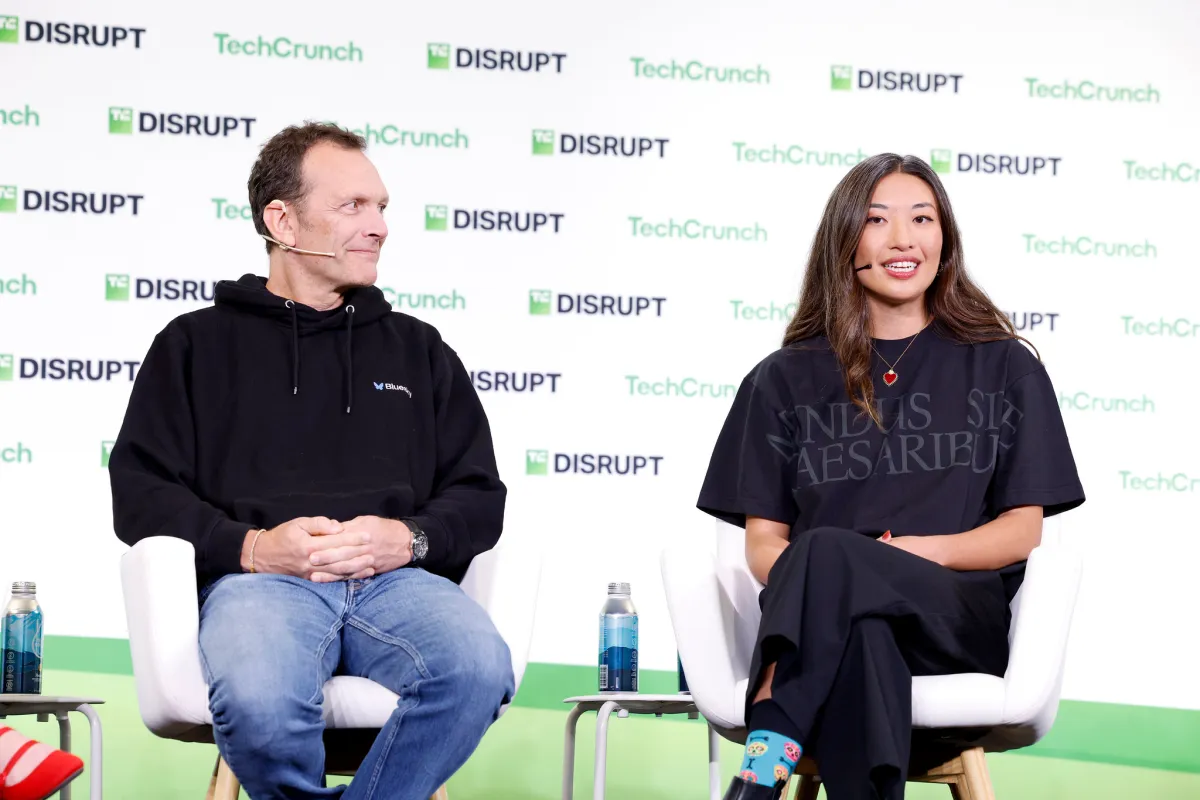
Bluesky: Attie Expansion Brings Social Vibe Coding to AT Protocol Graph
Bluesky leverages its 47 million accounts to solve the distribution bottleneck of AI-generated micro-apps, anchoring Attie to AT Protocol identity while private data remains in alpha.
Sep 13, 2026
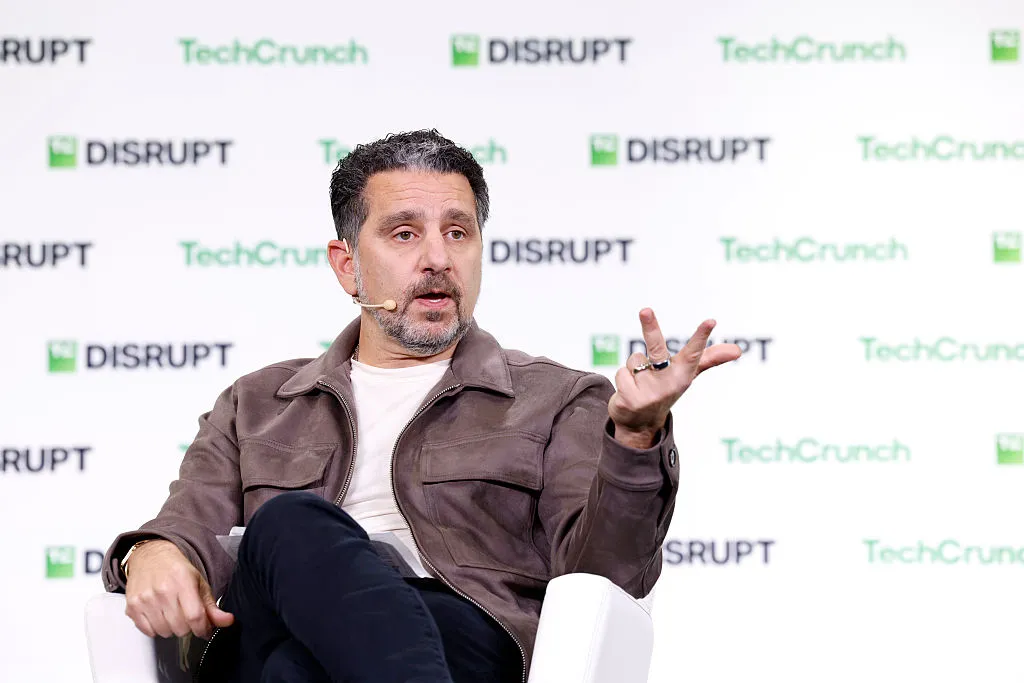
Amazon: Panos Panay Positions Ambient Hardware to Bypass Mobile App Gatekeepers
Amazon shifts its personal computing ambitions toward passive audio wearables, pairing sub-$100 hardware with transient processing to challenge mobile operating system gatekeepers.
Sep 7, 2026
Figma: Specs and Code Layers Define Guardrails as AI Code Creation Outpaces Releases by 13x
As AI-generated code volume spikes seventeenfold while software deployments inch forward by a mere thirty percent, Figma converts markdown documentation and live canvas execution into architectural guardrails for autonomous agents.