United Blocks AI Booking Agents in Fight Over Customer Control
United Airlines is blocking unauthorized AI agents from booking flights, exposing a commercial dispute over distribution fees and customer control.
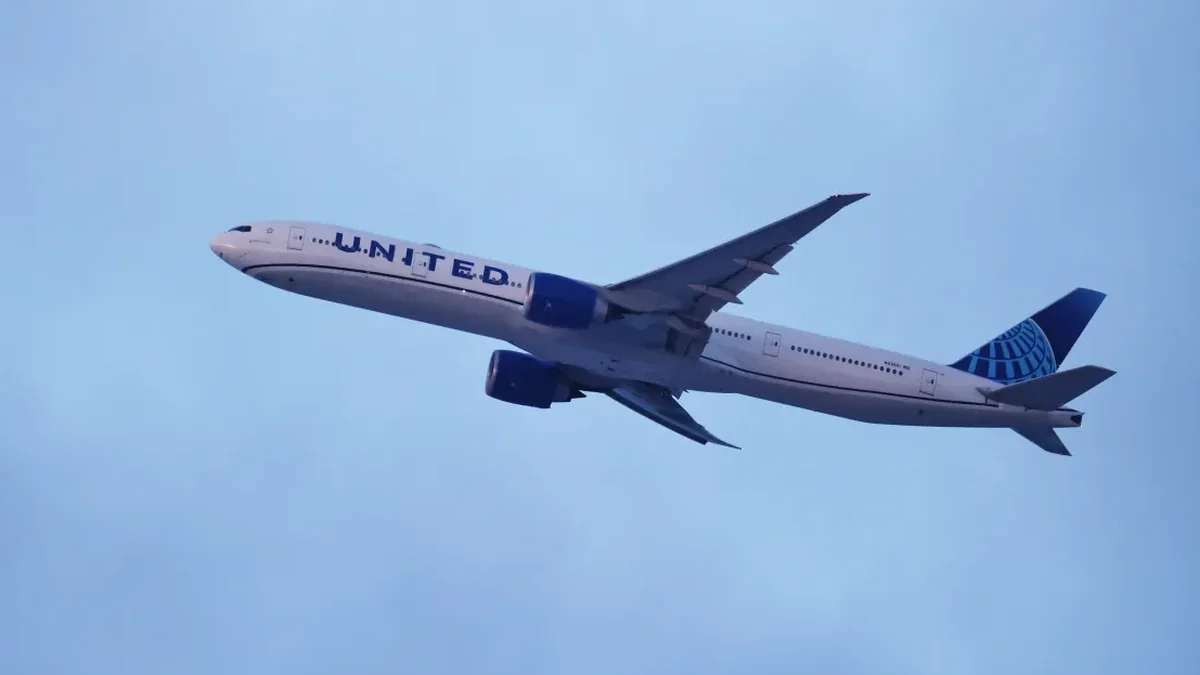
United Airlines is restricting unauthorized third-party AI agents from booking flights on its platforms. The decision opens a broader commercial dispute over who controls customer relationships when autonomous software transacts on a traveler's behalf.
Personal assistants such as Meta's Muse and OpenAI's Dots move beyond search results to complete purchases inside external websites. Airlines, however, have spent decades defending direct booking channels against intermediaries that sit between the carrier and the passenger. That long-running tension is now shifting from human travel agencies to autonomous software.
Three Fronts Behind United’s Restriction
On November 11, 2026, the carrier published an official newsroom policy update prohibiting unauthorized personal AI assistants from transacting across its digital ecosystem.
The restriction targets automated interactions directly on United's website and mobile app, indirectly through travel agencies and aggregators, and formally through updates to booking, ticketing, and distribution rules. The company cited four operational risks tied to sharing account credentials with outside assistants: exposure of sensitive customer data, unintended ticket purchases, unauthorized account modifications, and unapproved redemptions of MileagePlus miles. United also raised a regulatory objection, arguing that automated check-in flows could violate Federal Aviation Administration and Department of Transportation rules that require a human passenger to attest that checked baggage contains no banned substances such as explosives.
Even so, the announcement leaves technical boundaries undefined. United did not publish a list of specific blocked assistants, detail its automated detection mechanisms, or set a final enforcement deadline, noting instead that it will update its Digital Trust Center and continue evaluating how personal assistants interact with its systems.
Existing fare aggregators including Kayak, Hopper, and Google Flights remain unaffected, and personal assistants can still display United flight options to users. As The Verge noted, the line is drawn at execution rather than discovery, preventing external bots from completing the transaction itself. That boundary preserves price visibility while blocking automated checkout.
JetBlue’s Warning About the Next Middleman
One day after United's announcement, JetBlue Airways President Marty St. George framed the same shift as an economic dilemma rather than a purely technical one. Speaking at the Skift Commerce Summit in New York, St. George acknowledged carrier concerns over third-party intermediaries while arguing that airlines cannot ignore shifting traveler habits. He noted that airlines need to "meet them where they are" if customers prefer AI-assisted booking, according to AI News, even though JetBlue has not announced any policy authorizing third-party agents to complete reservations.
AI assistants currently absorb heavy computing and development expenses while offering booking convenience directly to consumers. St. George questioned how those platforms will eventually recover their costs, warning that AI developers could begin charging airlines distribution fees for directing reservations—recreating the exact commission structure that carriers already navigate with online travel agencies.
Direct bookings on JetBlue.com carry no third-party distribution fees and allow the airline to present seat upgrades, baggage options, and ancillary products without an outside filter. When an autonomous assistant mediates the purchase, the airline risks losing both margin and merchandising visibility. The commercial stakes extend well beyond login security.
Authorized Integrations Versus Open Scraping
The airline industry's response is already splitting between blocking unapproved personal bots and building controlled partnerships with AI platforms.
Southwest Airlines introduced a ChatGPT plugin in October 2026, developed alongside OpenAI and AWS, that lets travelers discover destinations and search flights inside ChatGPT before transferring to Southwest's own website to finish the reservation. That distinction matters for understanding corporate strategy. Companies are not rejecting conversational AI interfaces; they are rejecting unauthenticated software operating inside customer accounts without commercial agreements.
Travel platforms outside the airline sector illustrate the same preference for controlled integration. Booking.com's AI Trip Planner combines the company's existing machine learning models with OpenAI's ChatGPT API to deliver conversational itinerary planning directly inside its own app, keeping pricing, inventory, and checkout firmly under Booking.com's control.
Similar friction has surfaced across e-commerce and consumer finance. United's press release pointed to parallel restrictions adopted by leaders in banking and retail, while The Verge reported that eBay has moved to block external agents from browsing its listings and several major banks have tightened access to customer accounts. Across all three sectors, the pattern favors proprietary or contracted interfaces over open browser automation.
Why Search Costs and Direct Margins Drive the Pushback
Behind the security and compliance language lies a straightforward infrastructure cost. Aviation analyst Henry Harteveldt of Atmosphere Research Group told CBS News that flight searches cost airlines money, meaning a surge of automated bot queries creates real computing and distribution expenses even before a ticket is sold.
United CEO Scott Kirby captured the commercial stance bluntly at an industry event, saying, "To be honest, I don’t want to create another middleman." Airlines already pay to distribute inventory across global distribution systems, metasearch engines, and online travel agencies, and an autonomous agent capable of comparing fares, baggage rules, and schedules for millions of users could concentrate even greater bargaining power.
If consumers delegate travel shopping to a handful of dominant personal assistants, those platforms will decide which fares appear first and which carriers earn the booking. For airlines, defending direct login access is the first step in preventing an uncontracted software layer from owning the customer relationship. Controlling who touches the checkout flow determines who captures both the data and the fee.
Whether carriers rely on technical blocks or build sanctioned APIs, the next phase of agentic commerce will be settled through commercial distribution agreements and authentication standards rather than unrestricted browser automation.

Written by Adriano Nascentes
Founder & Lead AI Systems Analyst · Verified Staff
Founder and editor-in-chief of Unknown Observer. Technology researcher and software engineer investigating foundation models, autonomous agent runtimes, cognitive architectures, and frontier AI safety.
Was this article helpful?
Your feedback helps our editorial team refine reporting depth and accuracy.